
Personal Training
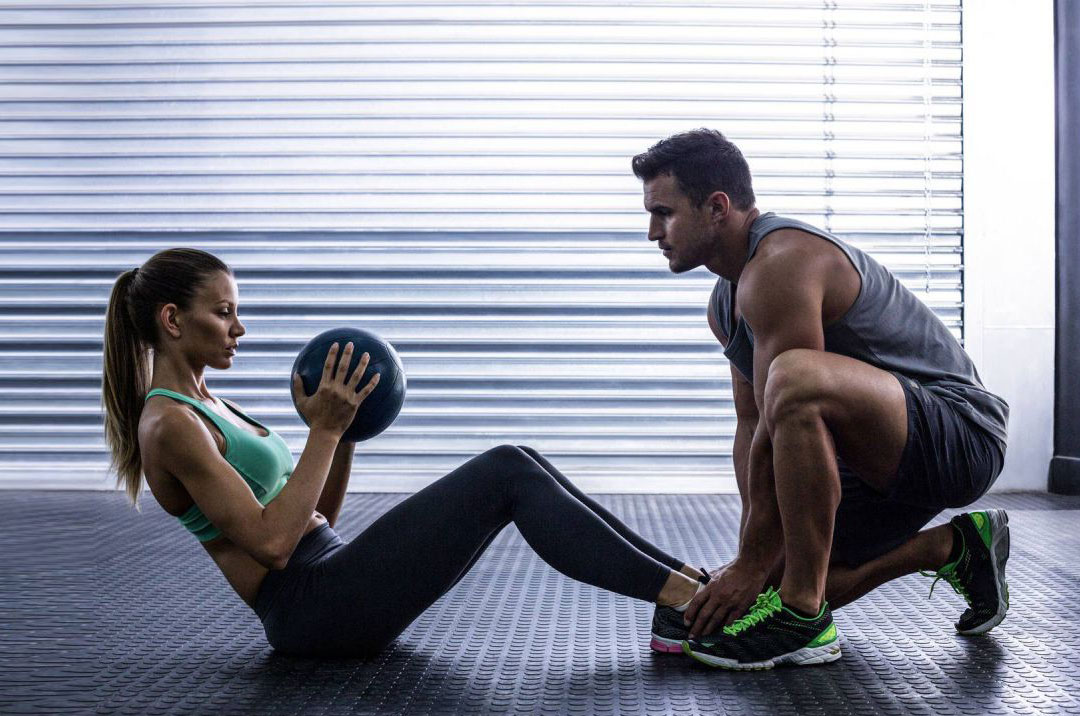
The aim of a personal trainer or sports coach is to improve your general fitness and consequently your health. This involves physical exercises, with instructions on how to perform them correctly. He motivates his students to set goals and assesses their feasibility. Coaches measure their pupils’ strengths and weaknesses and assess their physical fitness. These assessments are preferably carried out before and after an exercise program to measure improvements in fitness. They can also inform their customers about their well-being and general health, and give them nutritional guidelines.
Nutrition is an integral part of coaching. Its aim is to offer a diet adapted to an individual or a population in order to maintain or improve their state of health or performance. It takes into account: food choices, consumption frequencies, nutritional status, social and cultural aspects, lifestyle habits, and economic means. It plays a very important role in the prevention of certain chronic pathologies such as obesity, diabetes, cardiovascular disease, etc…
Sport is good for your health, with different impacts on the physiological, psychological and social levels.
Physiological impacts:
- Cardiovascular : sport regulates blood pressure and improves cardiac capacity. This is due to a vasodilatation mechanism that reduces resistance in blood vessels. So, for the same effort, the heart will beat at a lower frequency than at rest,
- Pulmonary: physical activity helps to improve the mobility of the thoracic cage when it is reduced (dorsal kyphosis, scoliosis, vertebral compression, respiratory muscle atrophy), and maintains the respiratory muscles (especially the diaphragm), thus increasing breathing capacity,
- Hormonal : sport releases endorphins, creating a feeling of well-being at the end of exercise, and even euphoria => the reason for sport addiction,
- Metabolic : physical activity improves intestinal transit, bone capital (osteoporosis prevention → compression promotes osteogenesis, muscle strengthening is beneficial in post-menopausal women), reduces cholesterol problems and the incidence of diabetes,
- Increased life expectancy > to 6 years compared to a sedentary person (a study in the USA describes that 10% of deaths are linked to a sedentary lifestyle).
- Physical: physical activity improves coordination, reduces postural disorders, and increases strength, endurance and muscle volume. Physical fitness therefore helps prevent injuries and various types of hip, knee and back pain. It improves quality of life and health, and makes it easier to tolerate exercise during daily activities – all important benefits for healthy aging. Improving flexibility maintains coordination and balance, and therefore prevents falls. Adapted physical activity helps prevent joint disorders (regular exercise promotes cartilage nutrition and mobility, and thus prevents various joint pains and osteoarthritis problems).
- Improves sleep : physical fatigue guarantees deep, restorative sleep
- Memory stimulation: gymmemory (sequence of simple motor actions). The originality of the concept: to re-awaken memory mechanisms through stimuli that involve the body and not just mental processes. Involves the whole individual in a project of actions that reactivate all sensory inputs.
Psychological and social impact:
- An important aid against depression, as it gives a sense of competence and progress, and improves self-esteem,
- Sport therefore inculcates willpower and tenacity, which are 2 qualities needed to tackle everyday problems,
- Sport requires us to surpass ourselves, to strive for performance and to know our limits,
- Disgust for cigarettes
- The body becomes slimmer and more muscular, resulting in a better, more attractive silhouette,
- The calming effect of sport through endorphins and by focusing the mind on something other than everyday problems.
- Sport teaches educational values: friendship, courage, sincerity, honor, modesty, respect, self-control, politeness, etc.
- Sport creates social bonds: sports clubs and associations bring together people who share a common passion. It’s a great way to forge links and broaden your circle of contacts. Sport is often used to reintegrate people on the margins of society.
- Older people go out socially less and less. The relationship aspect is therefore important. The opportunity to talk about their pain or problems during training sessions will have a reassuring effect.