
Physical therapy
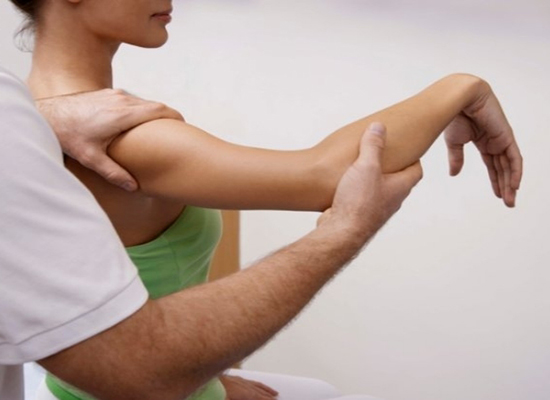
Physiotherapy is a specialty that enables a qualified professional to work on different forms of rehabilitation: muscle strengthening, mobility and endurance of a patient. Physiotherapy is widely used following injury, surgery or other traumatic events. Physiotherapy concerns both the skeleton and the body’s functions. It improves the patient’s quality of life.
Physiotherapy covers a wide range of techniques, which can be grouped into four main areas:
Pathology assessment techniques rely on subjective criteria, such as the evaluation of pain or psychological context, thanks in particular to evaluation grids (intensity scales). They also use objective criteria: measurement of joint stiffness, using a protractor for example, estimation of a muscular deficit, notably using standard positions or an ergometer, evaluation of a functional disorder (such as a gait disorder) using a platform recording the forces developed by the patient, etc.
Passive physiotherapy includes manual and instrumental techniques. It aims to methodically and specifically mobilize tissues (massage), joints (passive mobilization, traction, joint postures) or muscles (myotendinous stretching) to restore elasticity, mobility and plasticity, and combat stiffness, retraction or deformity, for example following hemiplegia.
Active physiotherapy uses a variety of techniques to tone muscles, whether paralyzed or siderate (no longer responding to willpower in the absence of neuromuscular damage). It uses aided muscular exercises (e.g. in a swimming pool or with suspension devices) or, on the contrary, resistance exercises (direct loads, manual resistance); it also uses techniques to control posture or gesture (sensorimotor or proprioceptive rehabilitation) consisting in stimulating receptors located in joints, tendons or muscles to automatically improve a position (e.g. scoliosis) or an abnormal movement (e.g. ankle instability after a sprain).
Physiotherapy involves using the biological properties of physical agents such as electric currents, waves, rays or vibrations. Among the most commonly used techniques are low-frequency pulse currents, direct currents, ultrasound, infrared rays, cold, dry or moist heat. These techniques are used in particular for pain treatment and, depending on the case, for tissue stimulation, ionization, destruction of fibrous tissue, improvement of cellular metabolism or treatment of inflammation.
Conditions requiring physiotherapy treatment fall into three main categories.
Fractures, dislocations and degenerative diseases of the musculoskeletal system are treated to restore optimal joint mobility and muscle function for walking and/or grasping. Spinal disorders in children (scoliosis) and adults (lower back pain) are largely the result of postural rehabilitation.
The treatment of neurological diseases such as hemiplegia or paraplegia enables patients to recover or compensate for their motor skills.
The treatment of respiratory diseases includes obstructive syndromes (chronic bronchitis, asthma, emphysema, cystic fibrosis), using techniques to clear bronchial congestion and improve ventilation, and restrictive syndromes (thoracoabdominal operations, pleurisy, poliomyelitis), which require work to develop lung capacity.
In addition to these fields of activity, the indications for kinesitherapy are constantly expanding: kinesitherapy today also addresses amputees, the elderly, subjects suffering from urological and gynecological affections (post-partum rehabilitation, sphincter disorders), disorders of swallowing, dental articulation, balance, sports medicine and ergonomics.